
What Have We Learned in the Last 10 Years?
María Luisa Luque, Vincent Lagacé and Sadie Bograd
February 2026
This February 2026, Nuup celebrates its tenth anniversary. The organization was born as a co-creation initiative between producer groups, NGOs, buyers, and foundations to promote inclusive agriculture in Mexico. Over the past decade, we have worked with thousands of producers and hundreds of partners to design and implement solutions that transform every element of Mexico’s agricultural sector, from on-farm practices to commercialization models and international export schemes.
Nuup’s purpose has remained unchanged since day one: we continue working to build fairer, more transparent agri-food systems that generate rural prosperity within the limits of our planet. However, the way we operate has evolved significantly. At this meaningful moment in Nuup’s history, we want to reflect on everything we have learned over the past ten years.
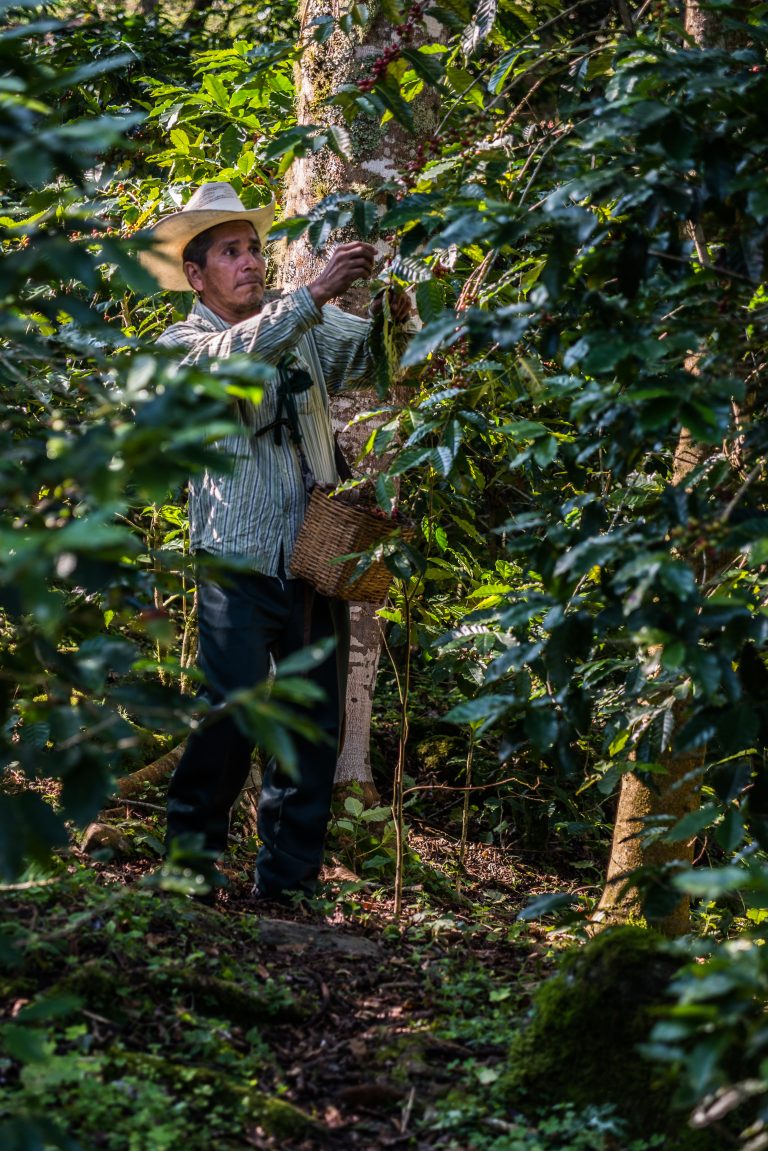
Farmers can build productive models that generate both prosperity and sustainability.
To achieve this, it is essential to promote solutions that take producers’ realities into account. We work with small-scale farmers for whom a complete production overhaul is often unrealistic. What matters is identifying what can be done under current conditions and introducing practices gradually—improving sustainability alongside farmers’ bottom lines.
Although the perception persists that regenerative agriculture reduces yields, our experience shows the opposite. In contexts where producers are not operating with optimal or highly productive practices, a regenerative transition, paired with technical support, can simultaneously improve sustainability and productivity. These practices not only restore ecosystems, but also enhance field performance, reduce costs, and open access to higher-value markets.
One example is the Regenerate Mexico program, which provides training, technical assistance, and on-the-ground advisory services to strengthen sustainable water use in grain and cactus production. Nuup’s agronomists encourage producers to begin with simple practices, such as measuring water consumption and avoiding over-irrigation; incorporating ground cover to retain moisture; or introducing additional crops to mitigate erosion and improve water infiltration. From there, they can move toward more complex practices, such as redesigning entire fields. These changes reduce spending on water and inputs while increasing crop productivity.
Buying directly from small-scale producers has a strong business case.
We develop a clear business case in all our interventions. This involves a holistic approach that covers production quality and productivity, aggregation and processing systems, traceability and business management schemes, and connections to new buyers.
We also work across different markets, from large supermarkets to small neighborhood shops and specialty buyers, to identify the best client for each crop. In the Madre Tierra project, we partner with multinational companies such as Danone to improve the traceability and quality of their strawberry sourcing. In the BioFinCas project, we collaborate with Mexican specialty coffee companies to pilot financial solutions that strengthen supply chain resilience and stability.
Through these initiatives, we have gained a deeper understanding of how producers can connect with new markets. At the end of the day, farmers produce in order to sell. If we only focused on production, we would be doing half the job. We approach small-scale agriculture as a business, not through an assistentialist lens.
Agricultural finance presents challenges for financial institutions, not just farmers.
Finance has always been central to Nuup’s work. Producers need financing to manage the cyclical nature of agriculture and irregular cash flows, as well as to invest in improving their farms. Early on, we were not sure what our role should be. We did not want to become a fund or a lending institution, as there are organizations that already do that very well. Instead, we chose to facilitate access to finance through incentives and support structures.
Of course, producers and their organizations need support to manage their finances, prepare documentation, and access credit. But financial institutions also require support. Between outreach, documentation, and product design, it can be costly to originate the first loan to a new agricultural client. Moreover, small-scale producers and their organizations typically require small to medium-sized loans that do not always cover the lender’s origination and operational costs.
That is why we created the financial platform Coa, which collaborates with local financial institutions to expand their agricultural loan portfolios through origination incentives, liquidity guarantees, impact bonuses, and technical assistance. Through these innovative mechanisms, we have helped narrow the gap between producer enterprises and the financial institutions seeking to finance them.
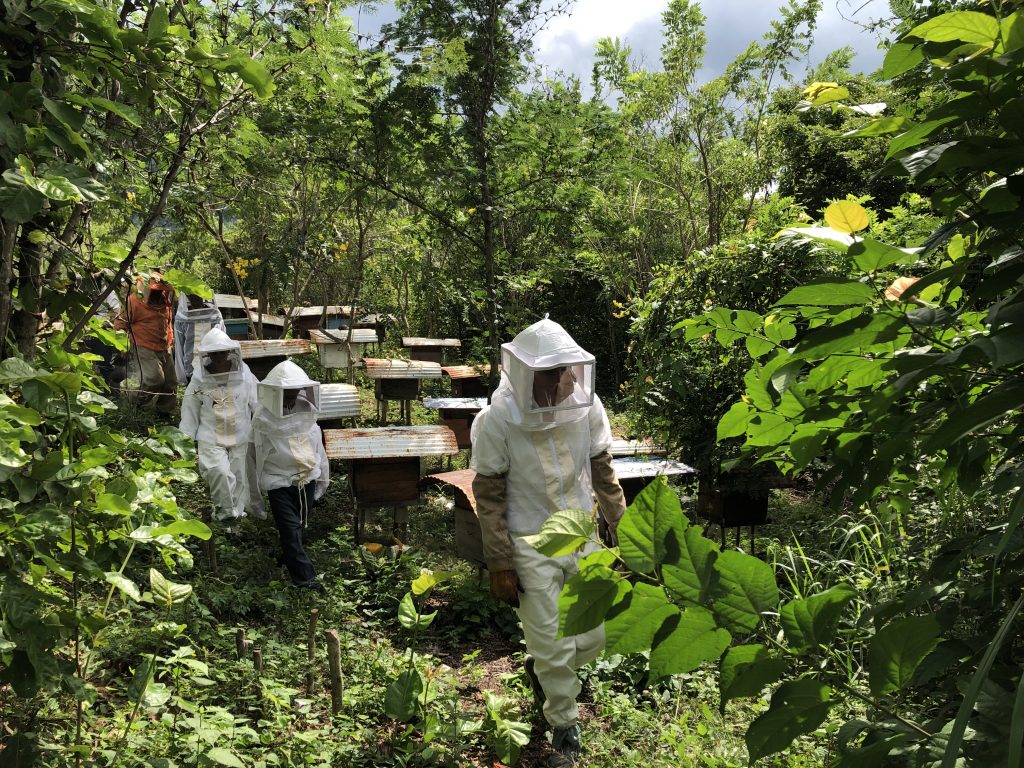
Existing technology can be adapted to rural needs.
Our goal is not to develop breakthrough code that transforms the industry overnight, but to reconfigure what already exists so that it becomes useful for producers. Understanding technology is important, but understanding the field is just as critical: how cooperatives function, how decisions are made, and how processing and commercialization strategies are structured. With that knowledge, we can design digital tools that are easy to use, genuinely helpful, and far more affordable.
This insight has taken shape in tools such as Sirio, which supports data management for coffee, honey, and cocoa cooperatives and agribusinesses. With modules to digitize internal operations, strengthen production traceability, comply with international regulations, and more, Sirio enables small-scale producer organizations to improve their processes and connect with better markets—unlocking the potential of their business.
Collaboration is key.
Across all our projects over the past decade, we have maintained a strong focus on collaboration. It is no coincidence that our name, Nuup, means “connection” in Maya. We work hand in hand with producers, cooperatives, companies, foundations, and other NGOs to leverage and deepen our impact. The way we collaborate has evolved—for example, we now have teams in the field that allow us to work more closely with producers and provide stronger follow-up. But we remain convinced that the agri-food system is too complex to transform alone.
Even more fundamental are our collaborations with producers themselves. They are not just partners—they are co-creators. They actively participate in designing technological and financial solutions. Whether they be market opportunities or advisory services, we always strive to ensure that what we offer is relevant and valuable for farmers. They are also ambassadors of our work: they share their experiences with other producers and invite them to their fields to see the impact of regenerative practices firsthand. They are our most important advocates and promoters.
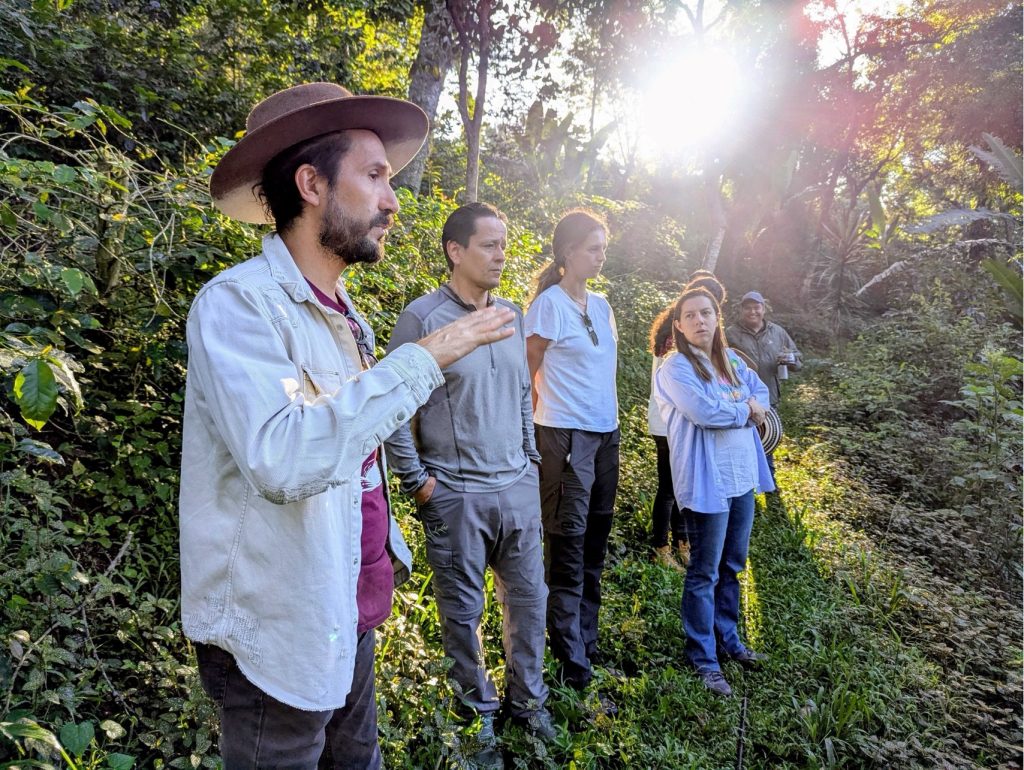
Celebrating ten years is an opportunity to look back, but also to reaffirm where we are headed. We remain convinced that small-scale agriculture holds enormous economic, social, and environmental potential, and that this potential can only be unlocked through collaboration, practical innovation, and models that truly work for producers. Guided by these lessons, Nuup will continue working to ensure that rural areas are spaces of prosperity, dignity, and opportunity.