
Financial Innovation for Resilience in Mexican Coffee Farming
An interview with Claudette Martínez Ortega of MiCRO Risk Solutions
Sadie Bograd · Fellow
April 2026
Climate change poses a growing risk to coffee production in Mexico, causing prolonged droughts and intense rainfall that reduce yields and affect the stability and well-being of producers. In this context, financial solutions designed for rural areas, such as parametric insurance, can support farmers in the face of natural disasters and promote the transition toward more resilient and sustainable production systems.
That’s why Nuup collaborates with MiCRO, an organization specializing in microinsurance for vulnerable populations in Latin America. As part of the BioFinCas project, we have worked together to design and pilot a parametric insurance product for smallholder coffee farmers. This initiative aims to incentivize the transition to sustainable, biodiversity-friendly practices, strengthen production stability and resilience, and distribute the costs of risk management across the value chain through partnerships with private sector actors.
In this interview with Claudette Martínez Ortega, Head of Growth for Mexico at MiCRO, we explore the importance of this partnership, key insights from the pilot, and the potential of parametric insurance to strengthen Mexico’s agricultural sector.
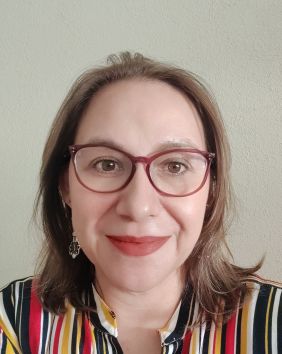
What is MiCRO’s mission?
MiCRO was created to reduce the protection gap against natural disasters by designing risk transfer solutions that expand access to insurance for vulnerable and underserved populations.
Our role is to act as a technical enabler within the insurance value chain, developing and implementing inclusive parametric insurance solutions focused on climate and nature-related risks, in collaboration with local and international partners.
Since May 2024, MiCRO has been part of Howden’s Climate, Risk and Resilience Unit, strengthening our ability to scale solutions, integrate global expertise, and mobilize capital toward populations highly exposed to climate risk. Within this unit, MiCRO specializes in the design and modeling of affordable, simple, and financially sustainable parametric microinsurance products.
How has MiCRO collaborated with Nuup? How do the two organizations complement each other?
MiCRO’s work is based on strategic partnerships with local insurers, international reinsurers, aggregators—such as cooperatives, financial institutions, and buyers—and other actors that generate proximity and trust with end users.
MiCRO collaborate closely with Nuup, which plays a strategic role by contributing its deep knowledge of smallholder farmers and acting as a trusted bridge within the coffee value chain, particularly with commercial buyers—key actors for the viability of the model.
The complementarity between the two organizations is clear and allows for the creation of a comprehensive solution for farmers:
- MiCRO structures and enables the risk transfer offering, ensuring technical design, proper risk structuring, and implementation of the instrument.
- Nuup enables demand and adoption, integrating insurance into a broader solution that combines prevention, well-being, and the transition toward production practices aligned with biodiversity conservation.
Both organizations share a common vision: strengthening farmer resilience and contributing to a systemic transformation of agri-food value chains in the face of climate change.
What is parametric insurance, and how does it differ from traditional insurance?
Parametric insurance is a risk transfer instrument that uses objective indices, such as rainfall or temperature, measured through environmental data from independent sources and satellite technology.
When an indicator exceeds a predefined threshold, payouts are triggered automatically, without the need for damage assessments or claims processes. For example, if accumulated rainfall reaches a certain level, a pre-established payout is activated; if the event intensifies, the payout may increase proportionally. Parameters and payout levels are based on historical analyses and their correlation with real economic losses.
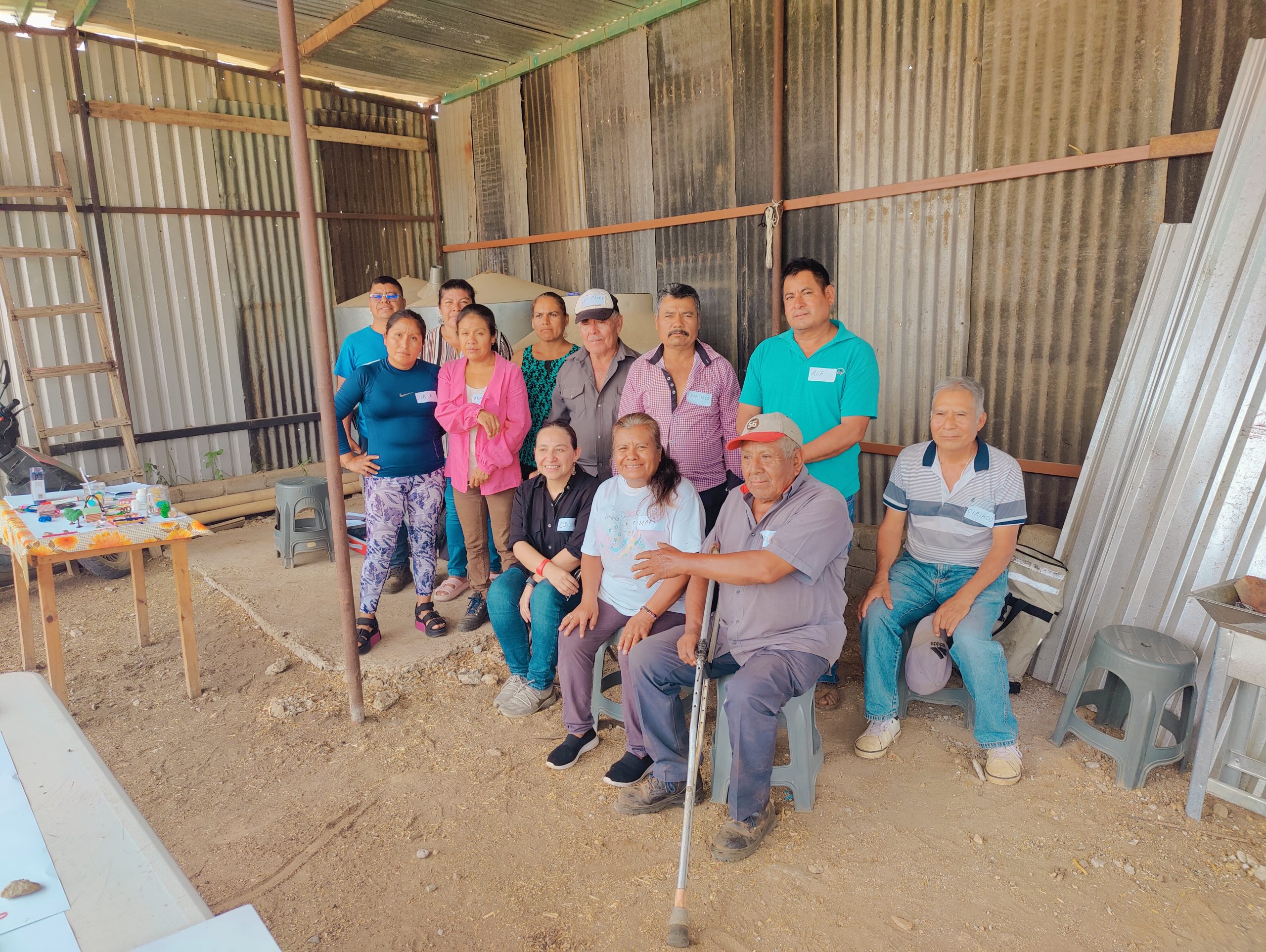
Unlike traditional insurance:
- It does not require on-site damage assessments
- No claims process is needed
- Payments are based on independent meteorological or geological indices
These characteristics make parametric insurance especially well-suited for rural and smallholder populations, where timely payouts are critical to protecting income and livelihoods..
What is the potential of parametric insurance in Mexican coffee farming?
The potential is very high. Parametric insurance makes it possible to expand insurability in a sector characterized by dispersed producers, small-scale plots, and limited individual historical data. This type of insurance broadens access, reduces transaction costs, and enables affordable, scalable coverage.
Overall, parametric insurance provides standardized solutions adapted to the realities of Mexican coffee farming, where extreme climate events are becoming more frequent and access to traditional instruments remains limited.
What lessons have emerged from the pilot with Nuup?
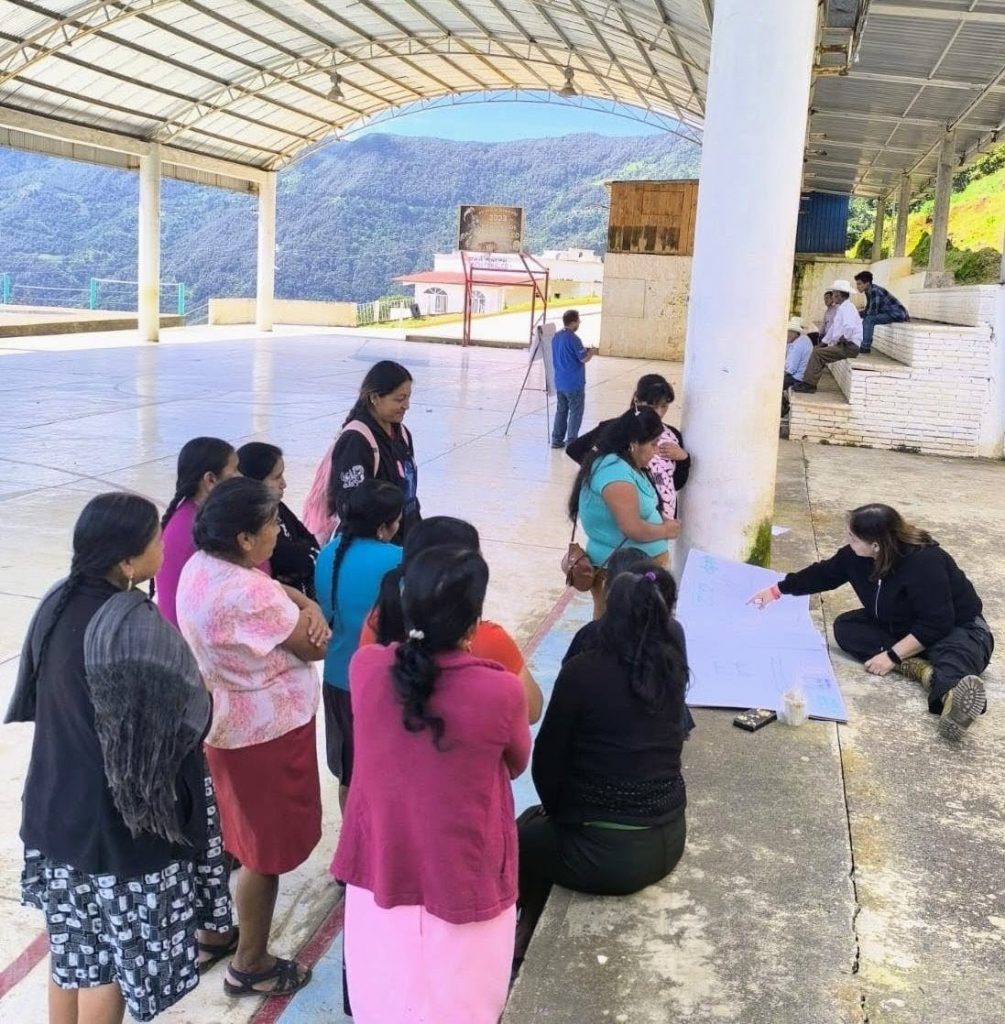
One of the main lessons is the importance of starting programs at a minimum viable scale, involving different actors in the value chain and ensuring that they initially assume the cost of the premium—rather than placing the burden on farmers.
This approach allows us to:
- Demonstrate the value of insurance in real scenarios
- Build trust among stakeholders
- Facilitate gradual adoption by farmers
Gradual farmer participation is key. Building an insurance culture is a progressive process that requires time, consistency, and support, especially in contexts where insurance is an unfamiliar tool.
What are the main challenges in this type of pilot?
The main challenge is achieving sustainable scalability. To do so, risk and costs must be shared among different actors in the value chain, and the model should not depend on a single funder or stakeholder. Another key challenge is ensuring that insurance is understood and implemented as part of a comprehensive, preventive package—not as a standalone solution. This requires financial and climate education, helping farmers understand that insurance is not a panacea and does not cover all risks, but rather one component of a broader climate risk management strategy.Why is parametric agricultural insurance so important for the climate transition?
Because it reduces farmers’ financial exposure to extreme climate events, lowering vulnerability and enabling them to make longer-term production decisions. By providing a safety net, parametric insurance:- Encourages the adoption of more sustainable practices
- Facilitates investment in resilience
- Supports climate transition processes in the agricultural sector
* * *
We thank Claudette and the entire MiCRO team for their commitment to the climate resilience of vulnerable populations. We will continue collaborating to promote innovative solutions in rural Mexico.. To learn more about the BioFinCas project, visit: https://nuup.org/en/biofincas-en/