
Partnerships for Water Security
An interview with Carmen Guerrero Sotelo of Kilimo
Sadie Bograd · Fellow
January 2026
The water crisis demands genuine collaboration and holistic solutions. At Nuup, we know that water scarcity cannot be addressed in isolation. Building strategic partnerships in the agricultural sector—combining technology, water-use efficiency, community engagement, and territorial governance—is key to regenerating watersheds, strengthening productive resilience, and securing water for the future.
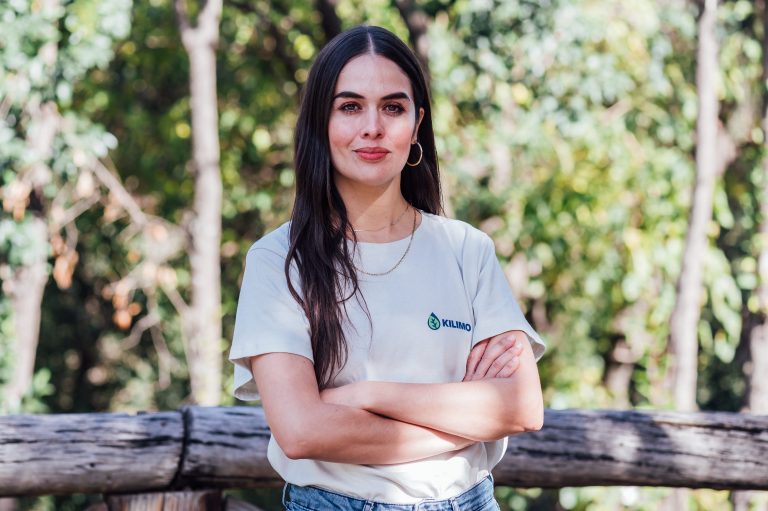
That’s why we collaborate with organizations like Kilimo, a ClimateTech company working to preserve watersheds and promote economic development in agricultural regions. Together, we integrate high-impact technical solutions with social and territorial processes that enable lasting change. In this interview with Carmen Guerrero Sotelo, Kilimo’s Head of Water and Climate Solutions for Mexico, Carmen shares the purpose behind their work, Kilimo’s strategies for reducing agricultural water consumption, and the central role of partnerships in initiatives such as Cinco Aguas, which seeks to restore hydrological balance in the Moctezuma watershed.
What is Kilimo’s purpose?
Our purpose is to improve water security in watersheds facing high hydrological stress by connecting corporate investment with solutions based on efficient agriculture, technology, and territorial capacity building. We design and implement Water Stewardship projects that reduce water extraction, restore hydrological balance, and mitigate operational and climate risks for companies and communities—delivering measurable and verified impact.
What are your main strategies for reducing water consumption in agriculture?
Kilimo principally works through three complementary strategies:
- Transition to precision irrigation, replacing inefficient irrigation systems with pressurized technologies that significantly reduce water extraction.
- Irrigation management powered by artificial intelligence, which optimizes when and how much to irrigate using satellite, climate, and agronomic data.
- Capacity building and technical support, to ensure sustained adoption of solutions and long-term behavioral change.
These interventions are designed at a territorial scale and are quantified using methodologies such as Volumetric Water Benefit Accounting (VWBA).
How has Kilimo collaborated with Nuup?
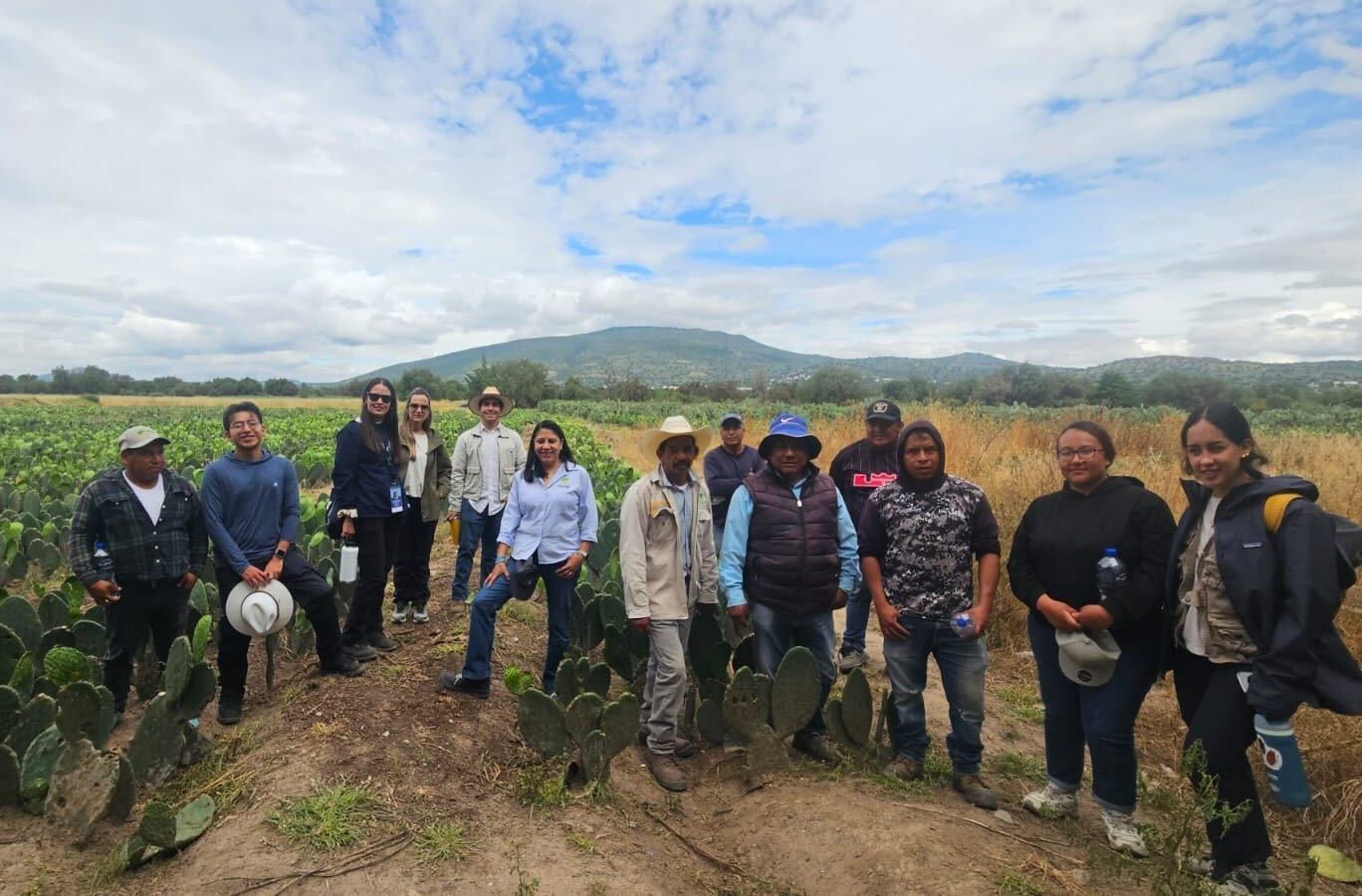
Kilimo and Nuup have collaborated on the design and implementation of Water Stewardship projects in the Moctezuma and Lerma-Salamanca watersheds, combining technical, territorial, and community-based capacities. Kilimo has led the technical design of interventions, water impact measurement, and engagement with investors, primarily focusing on larger-scale producers. Nuup contributes its experience working with small-scale producers, bringing deep territorial knowledge, strong community engagement, and solid field-based technical capacity to improve irrigation efficiency. This complementarity has enabled more robust, inclusive, and territorially legitimate implementation.
The two organizations naturally complement each other:
Kilimo provides the technical water-efficiency solution, the impact measurement and validation framework, financial structuring, and connections with corporate investors interested in watershed-level Water Stewardship.
Nuup strengthens the social and community dimension, leading participatory processes, supporting farmers in transitioning toward regenerative practices, and building local capacities that sustain behavioral change over time.
This synergy ensures that solutions are not only technically efficient, but also socially viable, territorially appropriate, and scalable—integrating water-use efficiency with soil regeneration and productive resilience.
Kilimo recently launched the “Cinco Aguas” project to restore hydrological balance in the Moctezuma watershed and replenish 30 million m³ of water by 2030. What role do partnerships play in this initiative?
Partnerships are at the core of Cinco Aguas. The scale of the hydrological challenge in the Moctezuma watershed requires collective action: companies, farmers, civil society organizations, academia, and the public sector working under a shared vision.
Collaboration enables the pooling of investment, technical capacity, and territorial legitimacy. It also supports the establishment of governance structures that ensure continuity, transparency, and local ownership. Without partnerships, systemic, large-scale solutions would not be possible.
How do you build relationships among different stakeholders—such as companies, producers, and the public sector—in your projects?
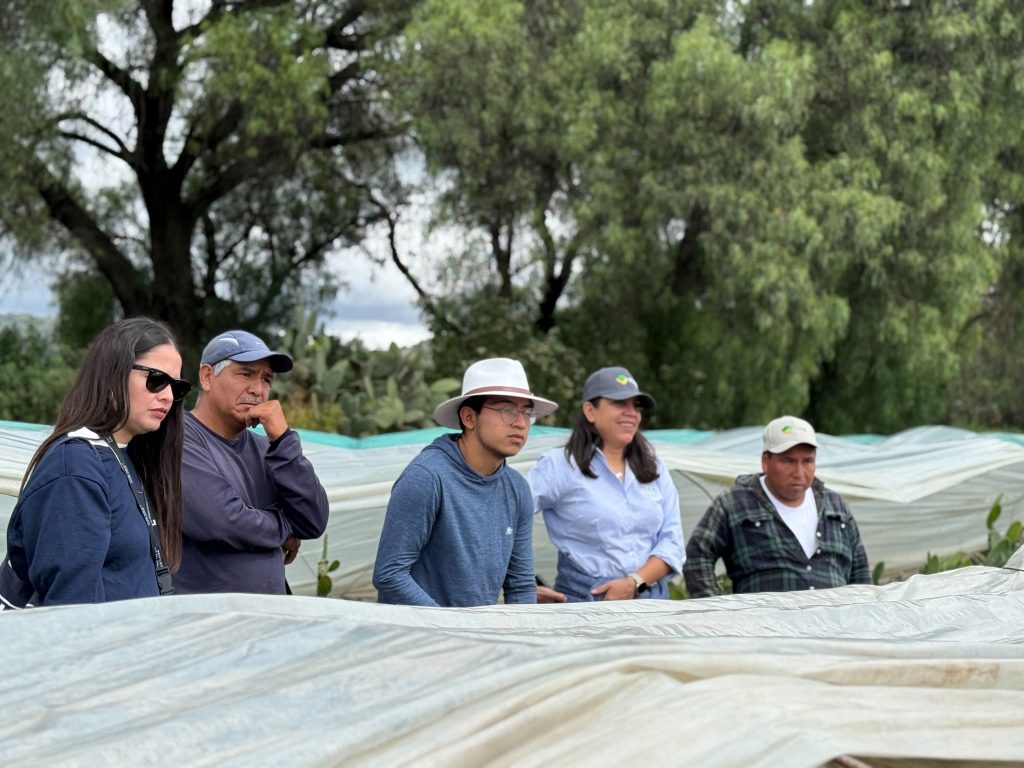
Relationships are built through structured territorial diagnostics and early-stage participation processes. We begin by understanding shared water challenges in the watershed and the interests of each stakeholder.
- With producers, we focus on shared responsibility: they are key implementers and agents of change, not passive beneficiaries.
- With companies, the dialogue focuses on risk management, measurable impact generation, and alignment with their sustainability goals.
- With the public sector, we seek institutional coherence and complementarity with existing plans and policies.
What are the main challenges in initiatives like this?
Some of the principal challenges include:
- Aligning timelines and expectations among diverse stakeholders.
- Ensuring sustained adoption of solutions beyond the support period.
- Coordinating territorial governance in institutionally complex contexts.
- Managing climate uncertainty and hydrological variability.
These challenges reinforce the importance of strong governance and solid participatory processes from the outset.
Why is reducing water consumption in the Moctezuma watershed so essential?
The Moctezuma watershed faces a critical combination of aquifer overexploitation, high urban and industrial demand, and increasing climate pressure. Agricultural water demand represents a significant challenge in the basin, making improved efficiency one of the most effective levers for restoring water availability, reducing water conflicts, and strengthening territorial resilience. Reducing agricultural water consumption is not only an environmental measure—it is a key strategy for the region’s water, economic, and social security.
* * *
We thank Carmen and the entire Kilimo team for their inspiring work. We will continue collaborating to promote sustainable water use in agriculture
To learn more about the Regenera México’s work, visit the project page on our website: https://nuup.org/proyecto-regenerate-mexico/