
How to finance the transition to regenerative agriculture
Sadie Bograd · Fellow
October 2025
Agricultural activity, by its cyclical nature, requires working capital financing, but it also often needs longer-term funding to invest in infrastructure or to support the transition—cycle by cycle—to more sustainable practices. Small-scale producers face these needs acutely, especially considering the urgency to adopt more climate-resilient practices.
However, access to credit in this sector remains limited and complex. High transaction costs, lack of collateral or fixed assets, limited credit histories, and the absence of formal records for family operations or even producer enterprises all constrain financing. Blended finance models—which combine public and/or philanthropic funds to catalyze private-sector investment—can help close these gaps by facilitating access to loans for regenerative agriculture, unlocking the capital needed to drive innovation and sustainable growth in the agricultural sector.
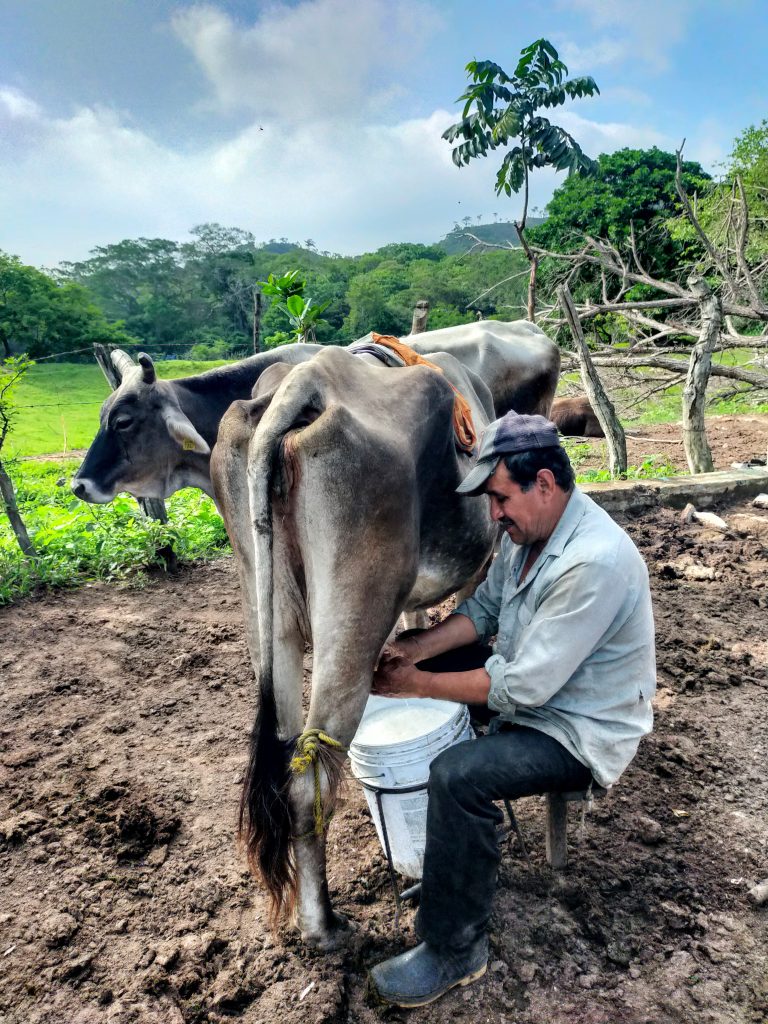
In 2022, only 6.1% of agricultural production units in Mexico reported having access to credit. In the southeast, the figure was just 4.2%. This does not imply that producers do not need loans or financial services—on the contrary, they face multiple structural barriers to accessing them formally.
This situation is not unique to Mexico. Globally, the financing gap for producers and agri-SMEs is estimated at nearly USD 280 billion per year, reflecting both the scale of the challenge and the opportunities to transform the sector.
Producers need credit to transition to regenerative practices, which often require investments in infrastructure (such as drip irrigation systems that reduce water use and increase drought resilience), the purchase of climate-resilient seeds, the conversion of plots to agroforestry systems, and covering the costs associated with green input packages, among others. These initiatives can increase incomes and open access to differentiated markets while protecting the environment—but they are not viable without upfront capital and sufficient cash flow to operate continuously.
Why is it so difficult for small-scale producers and their agri-SMEs to secure financing, even when their activities are profitable? Some key reasons include:
Many producers lack formal income documentation or land titles, making it difficult to demonstrate creditworthiness or offer collateral.
They typically need small and medium-sized loans that, due to their size, do not always cover the costs of loan origination and administration, yielding low margins for financial institutions.
Distance from bank branches and limited access to technology complicate or increase the cost of the credit process.
Limited financial literacy means that many producers do not know how financing could benefit their operations or are unfamiliar with the types of financial products available.
For their part, many financial institutions maintain relatively small agricultural portfolios, often concentrated in only a few activities such as grains or coffee. Lending to other activities is seen as too risky, and expanding agricultural portfolios is considered complex. In many cases, perceived risk is even higher than actual risk, discouraging institutions from exploring rural lending opportunities.
Given the breadth and complexity of this challenge, many approaches are needed to address it. One promising strategy is to directly engage the financial system to scale impact through blended finance models. In this approach, philanthropic and impact capital is not provided directly to agri-enterprises; instead, it is used to mobilize private-sector funds.
At Nuup, we have designed a model that allows us to collaborate with financial institutions already lending in rural areas to develop mechanisms that enable them to lend more—and lend better—to small-scale producers and their agri-SMEs. In parallel, we work with producers to build records, financial plans, and operational systems that help them access and manage credit.
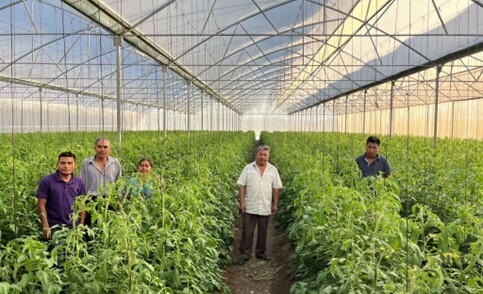
Our approach has also been shaped by inspiration, learning, and collaboration with others. First, through partnerships with Mexican financial institutions with strong impact track records—such as Findeca, Ucepco, Fondo Mas, and El Buen Socio. Second, by building a collaboration channel with Aceli Africa, a pioneering blended finance initiative in East Africa that provides incentives for local financial institutions to lend to agri-SMEs. Aceli is currently active in Kenya, Uganda, Zambia, and Tanzania, among other countries.
In Mexico, we established Coa, a financial platform focused on expanding access to sustainable financing for agri-enterprises and small-scale producers in the southeast. With the support of our partners—The Nature Conservancy, Dalberg, and Aceli Africa—and funding from the W.K. Kellogg Foundation, Coa has become a reference point for inclusive and sustainable financial solutions.

Coa’s integrated approach offers actions and instruments that address both supply- and demand-side constraints. On the supply side, it mobilizes private and philanthropic capital toward the agricultural sector. On the demand side, it provides a set of innovative instruments that enable financial institutions to approve loans that would otherwise be rejected—either due to high origination costs or insufficient collateral.
Coa also includes specific incentives to enhance the impact of its loans: additional bonuses for loans to women, youth, and Indigenous producers; for climate-smart agriculture initiatives; and for borrowers with no previous access to finance. In this way, it connects viable, profitable projects that need capital with financial institutions willing to provide it, helping transform financial acces in rural Mexico.
Coa also provides technical assistance to financial intermediaries and agri-enterprises, supporting them in designing credit products and ensuring that producers and their enterprises have the skills needed to manage their finances. These services vary depending on enterprise needs, ranging from organizational structure design to the development of financial plans.

Coa began in 2022 with an initial piloting and deployment phase during 2022–2024. In 2025, we activated the guarantee mechanism, and this year we expect to expand the incentive program, increase regional coverage, and explore how to adapt the incentive model to sustainable fisheries and aquaculture.
During its initial phase (2022–2024), Coa partnered with 11 financial institutions and carried out the first southeastern portfolio benchmark analysis, identifying trends, shared challenges, and opportunities for lenders to explore. Through Coa’s origination incentive program, financial institutions issued MXN 156 million in loans to producers and agri-SMEs. For every peso Coa invested in origination incentives, 31 pesos were generated in rural credit. This financing benefited 9,300 people across Chiapas, Oaxaca, and the Yucatán Peninsula. These results illustrate the power of blended finance: philanthropic capital can be leveraged to generate exponential impact in rural credit access.