Harvest Resilience
• Los Altos and Soconusco, Chiapas
• Sierra Sur, Oaxaca
Beekeeping, horticulture, backyard poultry, MIAF (intercropped milpas), agroforestry systems, small and large livestock
October 2023 – January 2026
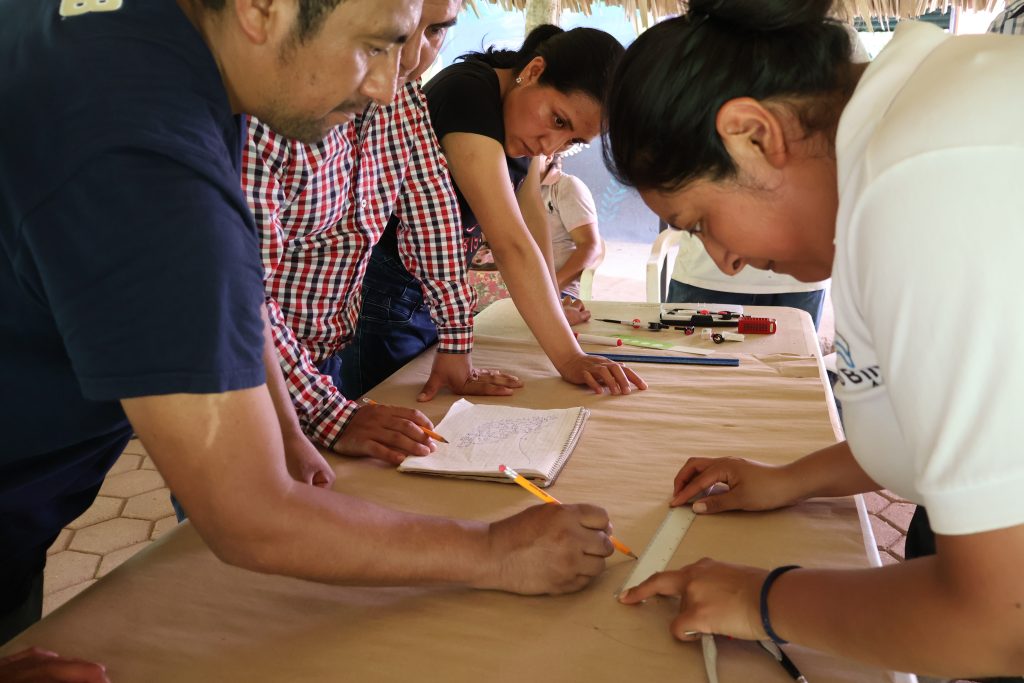
Harvest Resilience seeks to strengthen food security and climate resilience among smallholder organizations in Oaxaca and Chiapas. Through the adoption of regenerative agricultural practices and income diversification, the project promotes agroforestry and livestock systems that generate value, improve rural livelihoods, and create new economic opportunities for participating families.
WORK AREAS
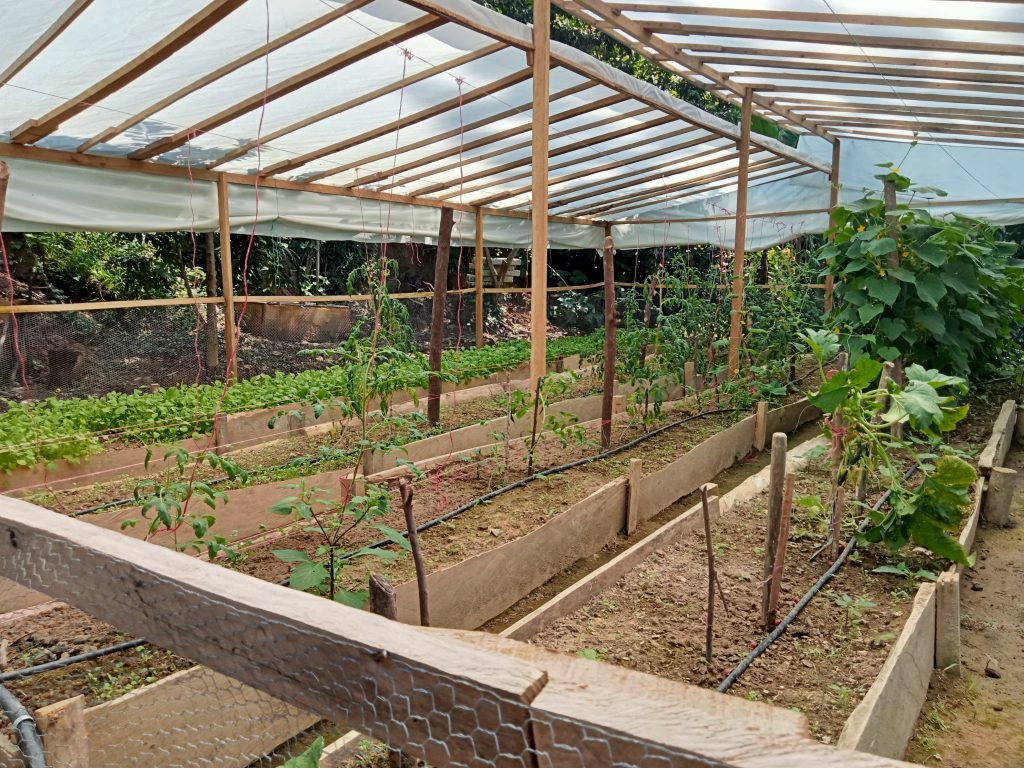
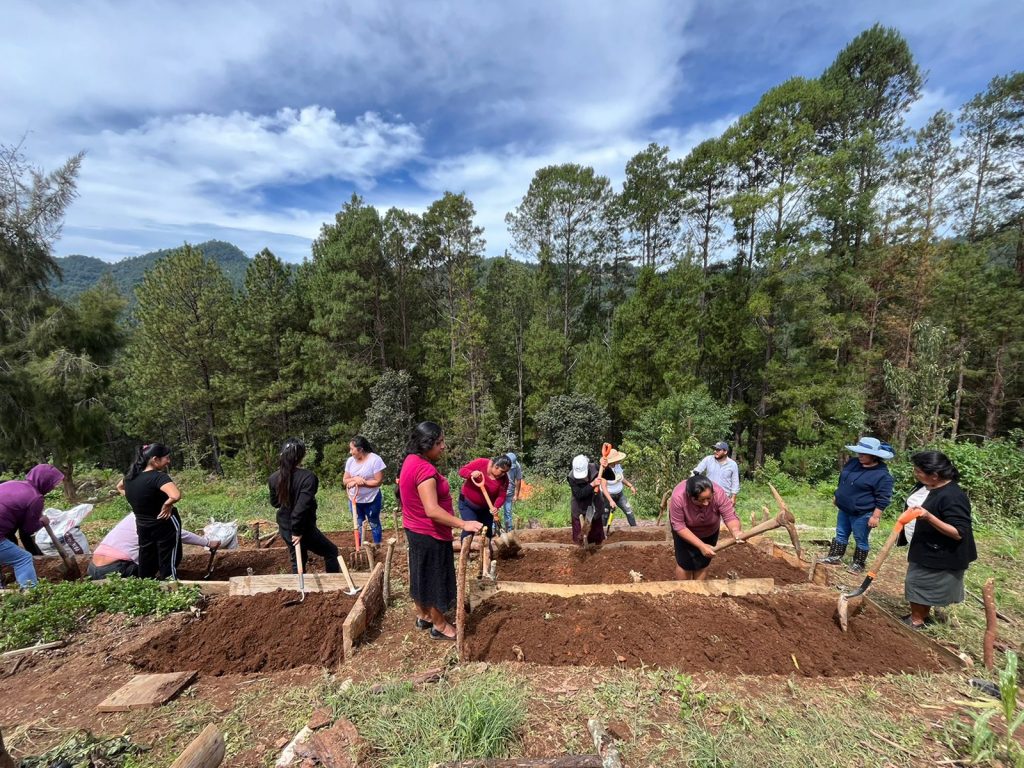
Transformation and improvement of backyards to establish productive vegetable gardens for family consumption and local sales. Key activities include designing and outlining garden beds; providing seeds and materials; training on planting, soil and irrigation management; integrated pest control; and post-harvest and marketing practices.
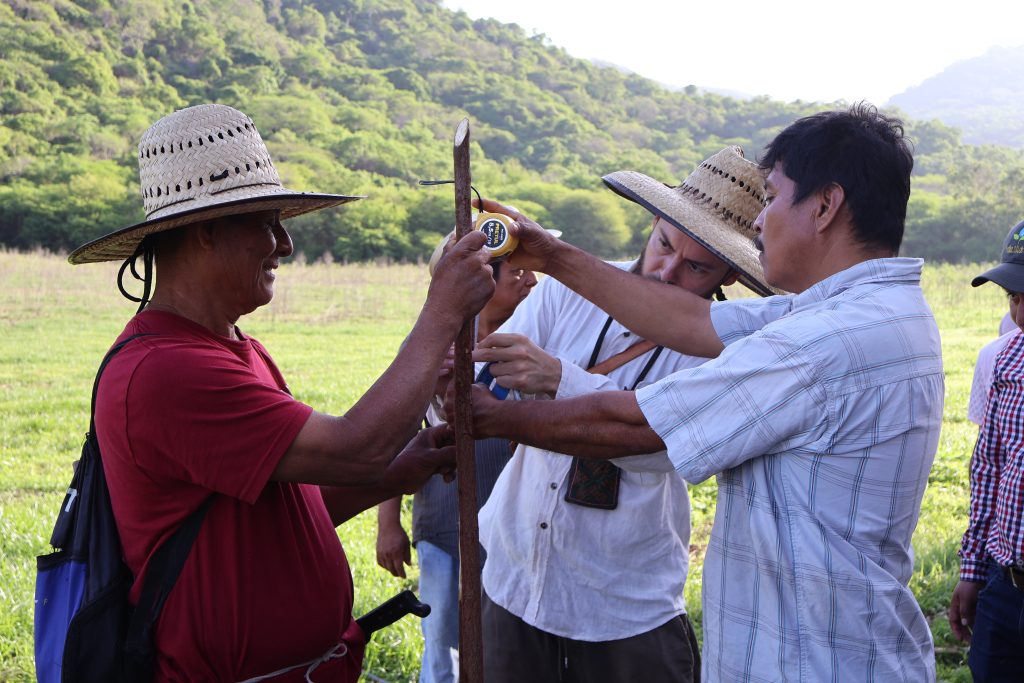
Establishment and management of milpa plots integrated with fruit trees and useful species, alongside strengthening community nurseries to produce locally adapted seedlings. Key activities include terrace and contour design; planting and staking fruit trees; expansion and management of planting basins; seedling production and establishment of germplasm banks; and soil and water conservation practices.
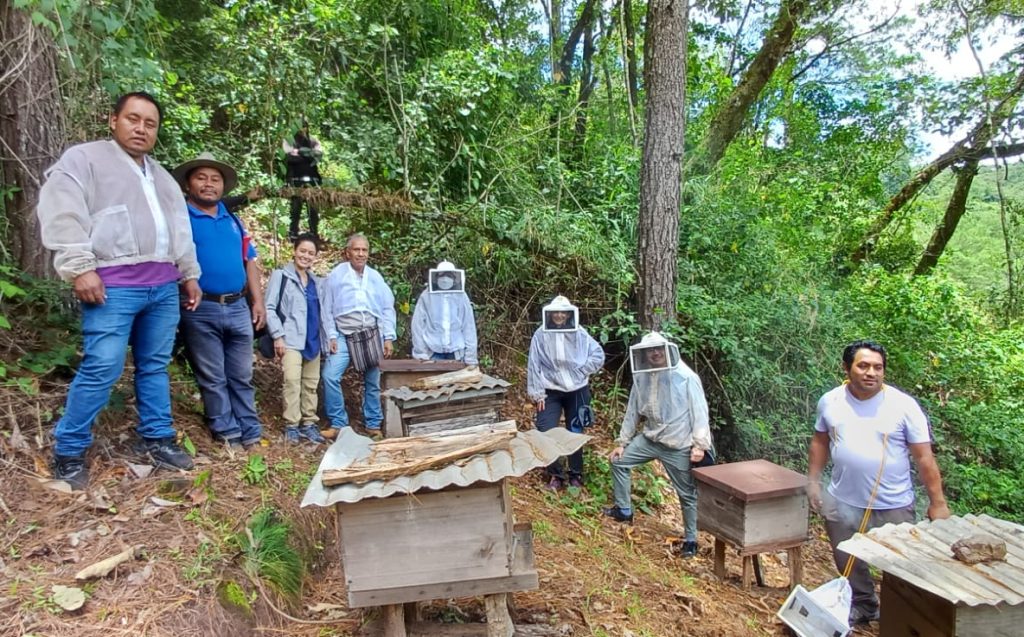
Integration of beekeeping, including native stingless bees, as a diversification strategy that enhances pollination, enables production of derived products (honey, propolis), and generates additional income for cooperatives and families. Key activities include hive installation and management; training in best practices for production and packaging; improving apiary productivity; finance and marketing training; and knowledge exchanges in meliponiculture (native stingless beekeeping).
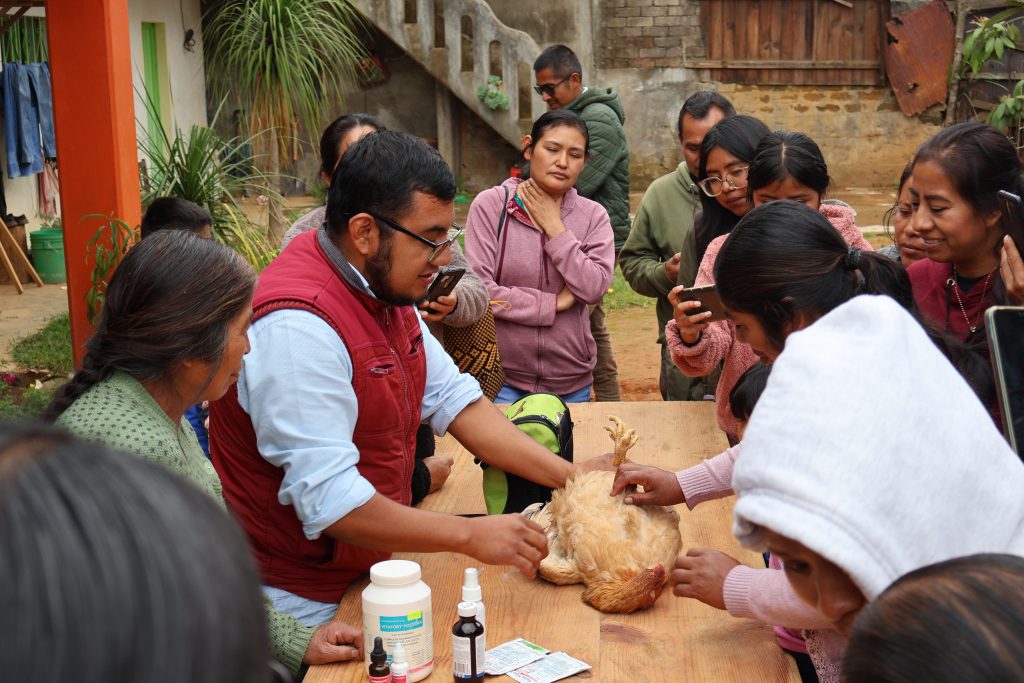
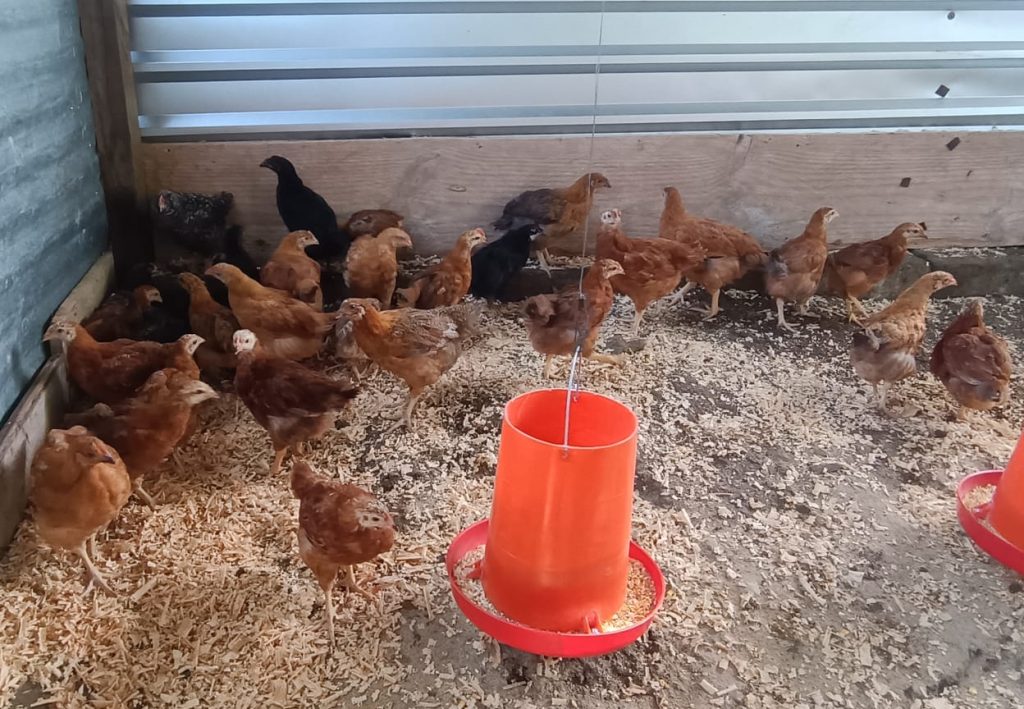
Strengthening the management of household poultry through training and provision of supplies, with a focus on animal welfare, biosecurity, and viability of production. Key activities include workshops on animal welfare and ethnoveterinary practices; management of genetic lines and age-based nutrition; vaccination schedules and preventative measures; and design and improvement of coops and sanitary management.
Hands-on training in the production of biofertilizers, “bioles,” and vermicompost to close nutrient cycles, improve soil fertility, and reduce dependence on external inputs. Key activities include preparation of bocashi, supermagro, and mineral broths; establishment and management of worm composting systems; collection and use of leachate as biofertilizer; and scaling up to community biofactories with parameter monitoring.
IMPACT AND ACHIEVEMENTS
660 families benefited
9 participating smallholder organizations
44 workshops
impacto y logros
3 seed funds for beekeeping, 1 for poultry, and 1 for large livestock
4 knowledge exchanges and 10 specialized workshops
photo gallery
TestimoniALS
DONORS
This project is made possible thanks to the support of Citi Foundation.
PARTNERS