
The Case of Sirio: How Digital Tools Can Connect Small-Scale Producer Organizations to High-Value Markets
Lauren Jones
March 2026
In 2026, millions of farmers depend on small-scale agriculture as their primary source of income, yet many lack the technological tools needed to access high-value markets. Many producer organizations rely on outdated paper-based systems, where information from farmers can take up to a week to reach headquarters. This creates discrepancies that translate into weak bargaining power when selling their products.
At the same time, international markets are imposing increasingly strict regulations that require full product traceability. Standards such as the European Union Deforestation Regulation (EUDR), along with certifications like Organic or Fairtrade, reward those who comply with access to better-paying markets. But for small producer organizations operating with pen and paper, meeting these requirements is costly and complex, limiting their reach.
These are exactly the challenges Sirio aims to solve, closing the technological gap in rural areas. Sirio is a digital platform designed for coffee, cocoa, and honey producer organizations, enabling simple and integrated data management. Sirio was developed as part of Nuup’s strategic pillar to bring technology closer to the agricultural sector, and it was co-created alongside three coffee producer organizations. Its goal is to transform operational information into strategic opportunities so that organizations can gain control over their data, make better data-driven decisions, differentiate themselves in the market, and become more sustainable and resilient. Currently, 41 organizations use Sirio, benefiting 14,392 producers across Mexico and Central America.
Sirio operates through a mobile app that works offline, a web-based console, and five modules that enable organizations to participate in the digital economy. We explore three of these modules and how each help connect small-scale producer organizations with high-value markets.
SIC Module: An Ally for Meeting International Certifications
Certifications such as Organic, Fair Trade, and Rainforest Alliance have become a gateway to buyers and consumers who value the origin and sustainable practices behind each cup—and who are willing to pay 20–40% more to support these efforts. However, obtaining and maintaining these certifications requires verifiable records of the productive, environmental, social, and labor practices of each farm. For organizations operating on paper, maintaining this level of documentation is difficult.
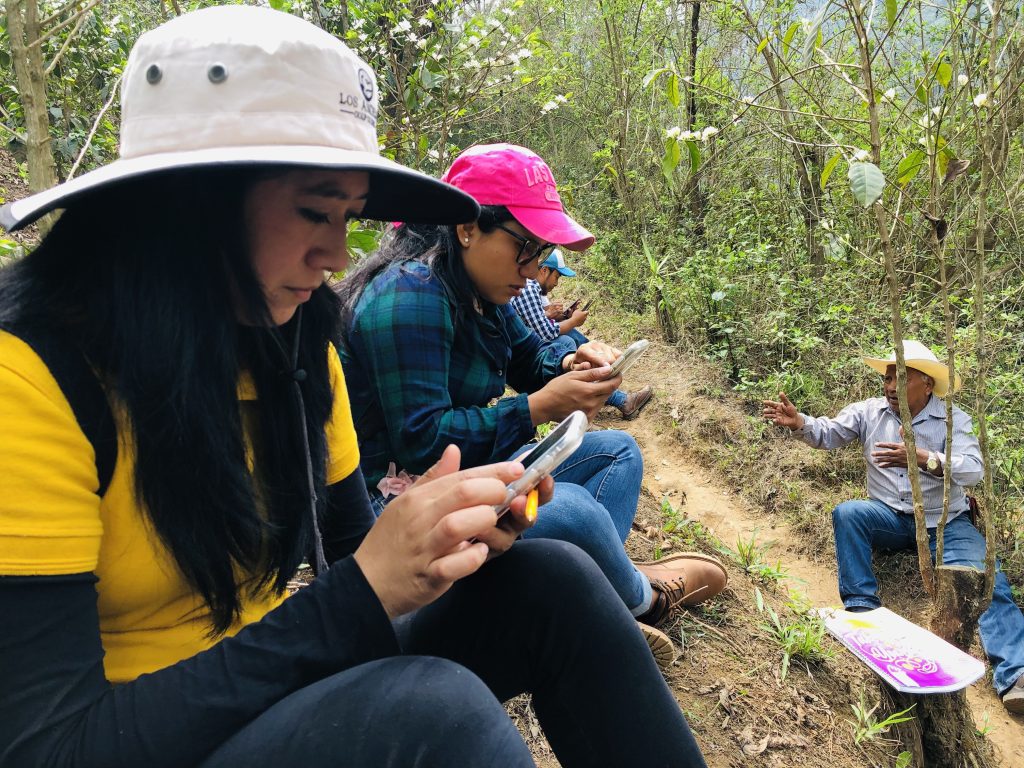
The SIC (Internal Control System) module allows for the digitalization of producer registries and plot records, capturing geolocation data and specific characteristics of each parcel. Through the mobile app, field technicians can record required practices directly on-site—such as shade management, application of organic fertilizers, and compliance with labor safety standards—without relying on paper or waiting days for the information to reach the office. When an audit takes place, the information is already organized and readily available.
Quality Module: The Gateway to the Specialty Market
For years, many cooperatives have entered negotiations relying solely on buyers’ analyses to determine the value of their coffee—a position that rarely favors producers. Launched in December 2025, Sirio’s Quality module allows cooperatives to capture and manage their own quality and productivity data, based on the coffee quality standards established by the Specialty Coffee Association.
Through the platform, cuppers can record complete sensory and physical analyses, including moisture content, yield, defects, and cup score. All this information integrates into Sirio’s centralized database, enabling full traceability from farm to buyer. With this data at hand, producers can anticipate product quality, generate reports to communicate the distinctive characteristics of their coffee, and enter negotiations with concrete data when engaging buyers.
EUDR Module: Securing Access to European Markets Under New Regulations
The European Union recently approved the EU Deforestation Regulation (EUDR), which requires that all products entering the European market demonstrate that they do not originate from land deforested after 2020. For many organizations, this requirement will quickly become a barrier to entry into one of the world’s most important markets, which accounted for over 30% of global coffee consumption in 2024 (CBI 2026).
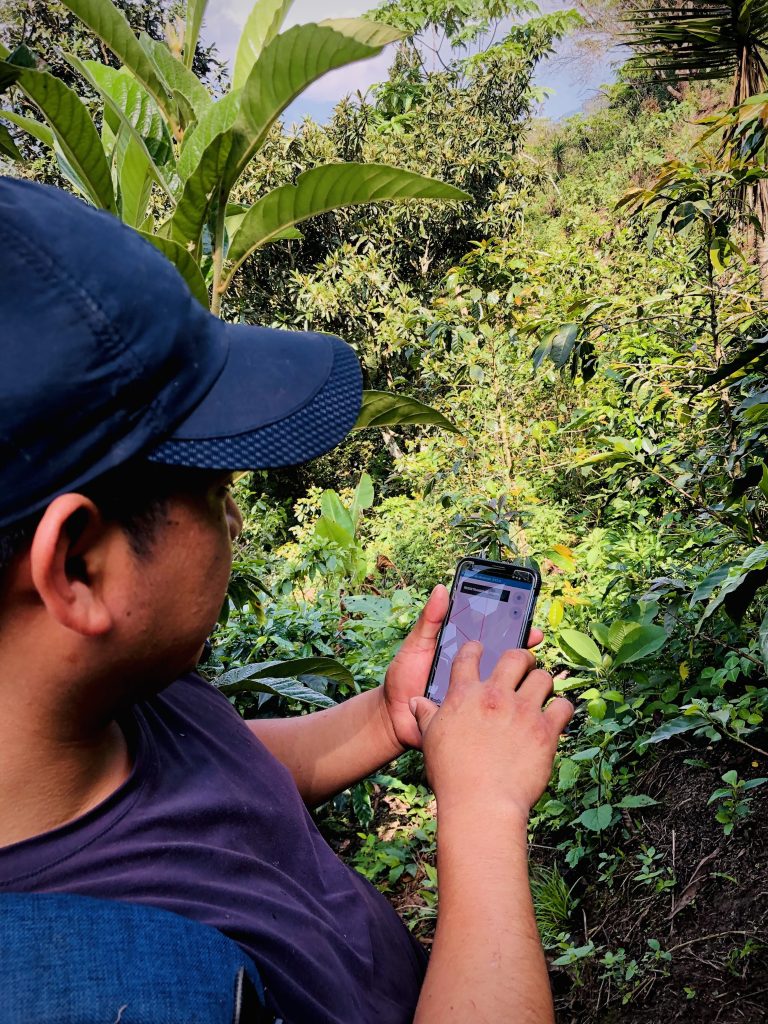
Sirio’s EUDR module was developed to help organizations navigate this regulation. It allows them to register plots using georeferencing according to the technical standards required by the EUDR. It also facilitates legal compliance and deforestation risk analysis by comparing each plot’s coordinates with satellite imagery from the WHISP platform and data from the EU Forest Observatory to detect or rule out deforestation activities. Sirio enables organizations to access international markets without facing the regulatory barriers that once limited their growth, turning compliance into a competitive advantage rather than an obstacle.
Technology as an Ally, Not an Obstacle
Above all, Sirio seeks to close the technological gap in rural areas by combining digital tools with ongoing technical support, ensuring that digital transformation is accessible and responsive to the realities of each organization.
Pablo Roblero Mazariegos, Coordinator of Sheva, an organization based in Motozintla, Chiapas, committed to fair-price coffee commercialization, explains it clearly:
“Sirio is an application that has truly made various tasks within the cooperative easier, such as data collection, polygon geolocation, and the ease with which information is managed during audits. It has significantly contributed to the growth of our cooperative—it is an ally for us and could be for any cooperative willing to try Sirio.”
With more than three years of using the platform, Sheva digitally manages information for over 500 producers and 735 hectares of coffee cultivation, from field data collection to commercialization and aggregation processes.
This is what Sirio aims to build with each of its partner organizations: an alliance that transforms data into tangible opportunities—into better prices, into previously inaccessible markets, and into a model of small-scale agriculture that not only survives, but thrives.